
Market Is Volatile – Should I Start SIP Now?
Confused by market ups and downs? Learn whether starting a SIP during volatile markets is a smart long-term decision
— explained in simple, stress-free
— explained in simple, stress-free
When the Market Feels Like a Roller Coaster
If you’ve been following the news or checking your investment app lately, one thing is clear — the market is volatile. Prices are swinging up and down, headlines are alarming, and uncertainty seems to be everywhere.
Naturally, a common question arises:
“Market is volatile – should I start SIP now or wait?”
👉 What is SIP ?
This is one of the most important questions investors ask, especially beginners or those who recently started earning. The fear of “investing at the wrong time” is real — and completely understandable.
In this detailed, client-friendly guide, we’ll break everything down in simple language, without jargon, so you can make a confident and informed decision.

Rupee Cost Averaging – Your Biggest Advantage
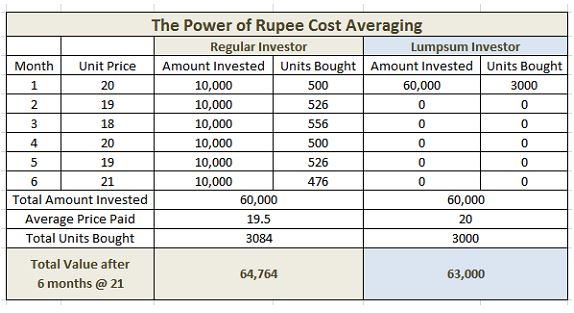
When markets are volatile, SIP shines because of rupee cost averaging
✔ You automatically buy more units when prices fall
✔ You buy fewer units when prices rise
✔ Over time, your average cost reduces
📌 Volatility actually helps SIP investors, not hurts them.
You Don’t Need to Time the Market
Many investors delay SIP thinking:
“I’ll start when markets fall”
“I’ll wait for stability”
The truth?
👉 No one can predict the perfect time.
Even experts get it wrong.
SIP removes timing risk by spreading investments across market cycles.
Emotional Protection for Investors
Volatile markets trigger emotions:
Fear during falls
Greed during rallies
SIP works like autopilot:
Fixed investment
Fixed date
Less emotional decision-making
This discipline is priceless.
When Starting SIP in a Volatile Market Makes Sense
You SHOULD start SIP now if:
✅ Your goal is 5 years or more
✅ You have stable income
✅ You want disciplined investing
✅ You understand short-term ups and downs
✅ You are investing for:
Retirement
Child’s education
Wealth creation
Financial freedom
Volatility becomes noise over long periods.
When You Should Be Cautious
You may delay or rethink SIP if:
❌ You need money within 1–2 years
❌ You don’t have an emergency fund
❌ Your income is unstable
❌ You panic during market falls
In such cases:
Build emergency savings first
Consider debt or hybrid funds
Find out Answers here
….
Is SIP better than lump sum in volatile markets?
Yes, SIP is generally safer as it spreads risk over time.
Can I pause SIP if volatility increases?
Technically yes, but emotionally it’s better to continue if goals are long-term.
Does SIP protect against losses completely?
No, but it reduces timing and emotional risk significantly.
Should I change funds during volatility?
Only if fund fundamentals change — not because of market noise.
Is volatility bad for first-time investors?
It’s actually a learning opportunity if approached correctly.
How SIP Performs Over Long Term Despite Volatility
What Happens Over 10–15 Years?
Short-term falls smooth out
Compounding takes over
Returns become more predictable
Even investors who started SIP before crashes ended up profitable if they stayed invested.
How Much SIP Amount Should You Start With?
Begin Comfortably
Start small if unsure
Increase gradually (Step-Up SIP)
📌 Rule of thumb:
Invest 20–30% of monthly surplus
Never invest money needed for emergencies
What If Market Falls After You Start SIP?
This is the most common fear.
Here’s the honest answer:
Yes, your portfolio may show temporary loss
No, it does not mean SIP failed
📈 Falling markets = more units = higher future gains.
(When markets fall, SIP buys more units — which can improve your average cost over time, potentially enhancing long-term returns if markets recover)
The biggest mistake?
❌ Stopping SIP during downturns.
Don’t Let Market Volatility Delay Your Wealth Goals
The right SIP strategy depends on you, not market headlines. Let’s discuss how to invest calmly and consistently, even when markets are volatile.
Shopping Basket